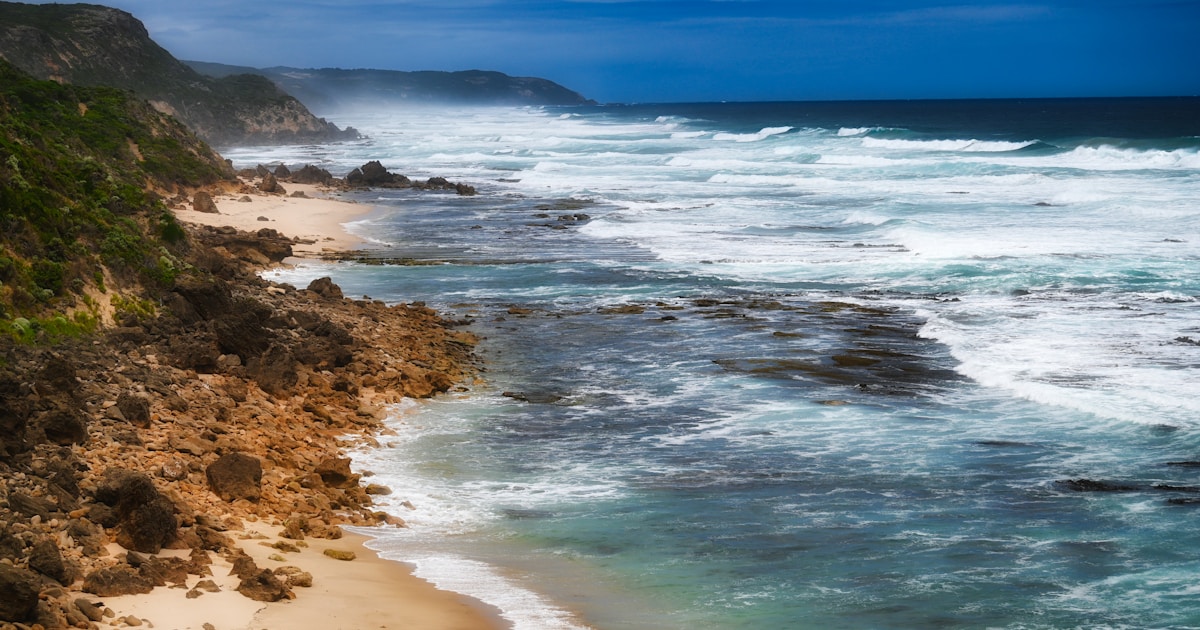
Photo by Enguerrand Photography on Unsplash
September 2, 2026
•
Updated October 5, 2026
•
5 min read
•
Great Ocean Walk camping bookings: how they work

Founder
Great Ocean Walk camping bookings are made one campground and one night at a time. For a full walk, that means checking the whole chain of seven hike-in campsites before you pay. One unavailable night can break an otherwise open itinerary.
The current booking page belongs to the Great Ocean Road Coast and Parks Authority, or GORCAPA. Pick the date and campground for night one, add it to your cart, then return and repeat for every later night. My advice is to treat the itinerary as one booking problem, even though the system makes you assemble it in separate pieces.
Who manages Great Ocean Walk bookings now
GORCAPA took over management of the entire Great Ocean Walk on 1 July 2026. Old search results and saved links may still send you to Parks Victoria, but the current Great Ocean Walk page now holds the booking link and instructions.
This matters because Parks Victoria no longer takes these bookings, and GORCAPA now sets its own release dates. Its booking terms say that from 1 July 2026, bookings open 12 months in advance, except for the summer peak. Summer 2026-27 (18 December 2026 to 28 February 2027) went on sale at 10am on Wednesday 8 July 2026, on Parks Victoria's schedule. The next summer, 18 December 2027 to 29 February 2028, goes on sale at 10am on Wednesday 10 February 2027. From 2027, GORCAPA releases the summer peak on the second Wednesday of February each year.
GORCAPA's walk page itself gives no release date; the dates sit in the booking system's terms and conditions. Our broader guide to Australian camping booking systems is useful for other parks, but the Great Ocean Walk now has its own management path.
The seven hike-in campsites
The classic east-to-west route starts at Apollo Bay and finishes at the Twelve Apostles. Its seven overnight stops are:
- Elliot Ridge
- Blanket Bay
- Cape Otway
- Aire River
- Johanna Beach
- Ryans Den
- Devils Kitchen
GORCAPA describes the full route as an eight-day walk of more than 100 kilometres. Its suggested stages run from about 10 to 16 kilometres per day. Each listed hike-in site allows no more than three guests.
Those numbers describe the official suggested route, not a promise that the same itinerary suits every walker. Daily distance, tides, weather, transport and pack weight still decide whether a stage works for you.
How to book a multi-night itinerary
Start with a written list of dates and campgrounds. Then use the booking system in this order:
- Select the date of your first night.
- Choose the campground for that night and add it to the cart.
- Return to the booking page.
- Select the next date and campground.
- Repeat until every camping night is in the cart, then check out.
The common mistake is paying attention to the first available campsite and assuming the rest will follow. I would search every night before committing to transport or accommodation at either end. A full itinerary is only as strong as its one unavailable stop.
Keep a second version of the walk beside your preferred plan. That could mean starting a day earlier, finishing a day later or walking a shorter section. You can then test a real alternative instead of improvising while dates disappear.
Write the alternatives beside each night before opening the booking page. A simple table with date, preferred campground and backup makes the weak point obvious. It also stops a date change on night two from quietly putting every later campground on the wrong night.
What to do when one night is booked out
First, identify exactly which night breaks the chain. Do not throw away seven open nights because one campground is full.
Try shifting the whole itinerary by one day. If that fails, test a shorter walk that starts after the unavailable campground or finishes before it. GORCAPA says walkers can combine sections rather than complete the fixed eight-day version.
Do not casually double a stage to skip a full campsite. The suggested stages already reach about 16 kilometres, and the official planning advice warns of steep, uneven terrain, stairs, river crossings and sections affected by tides. Any longer day needs to fit your ability and the actual track conditions.
If your dates are fixed, the one night you are missing can still come back when someone cancels. Schnerp watches GORCAPA's Great Ocean Walk camps night by night, so you can set an alert for that night instead of checking by hand. Keep the rest of your itinerary and payment details ready so you can book a returned night quickly.
Booking is also your camping permit
A valid booking acts as your permit to camp at the hike-in sites. GORCAPA says you must camp in the designated area and hold the booking before arrival.
The authority also encourages long-distance walkers, groups and tour operators to register their itinerary at least 14 days before setting out. Registration is separate from the campsite booking. It does not replace the booking where a campground requires one.
Before you lock in the itinerary
Check the official walk page again close to departure. Track conditions, tides and river crossings can change after you book. GORCAPA specifically tells walkers to consider transport to Apollo Bay and away from the Twelve Apostles, so solve both ends before paying for every night.
The booking process itself is simple. The hard part is making seven separate campsite choices work as one safe walk. Build the chain first, keep one realistic alternative, and only then lock in the rest of the trip.
Stop refreshing. Start camping.
Schnerp watches for cancellations across Canada, Australia, and New Zealand, and alerts you the moment a spot opens up.
More from Australia
Conto campground booking: Conto and Boranup in summer
Conto and Boranup book on Park Stay WA up to 180 days ahead. When the summer holiday nights opened, how cancellations work, and how to catch one.
Hardest Ningaloo campsites to book: 2026 cancellation data
Which Ningaloo coast campgrounds actually free up? Schnerp's 2026 data on how often watchers got an opening at Osprey Bay, Bungarra, 14 Mile and more.
Buchan Caves, Bear Gully and Mount Buffalo camping bookings
Buchan Caves, Bear Gully, Lake Catani and Wingan Inlet: when Parks Victoria opens dates, each camp's peak stay rules, and how to catch a cancellation.